
 Leisha
 Fire Cider is written about in my “The Art Of Fermentation eBook” that is part of the Human Microbiome & Kitchen Alchemy Course
Fire Cider has been in my kitchen apothecary for a very long time, but making it today at the Living Ground Project feels quite different from making it years ago. We now grow horseradish here, along with ginger, turmeric, citrus, hot peppers and many of the herbs I like to add. We also make our own apple cider vinegar, so a jar of Fire Cider can begin right here in our soil and move through the garden, the microbial world, the kitchen and finally into something we eat and drink.
I love that connection because Fire Cider really is kitchen medicine. It is food, herbs, microbes, flavor and traditional knowledge all mixed together in a jar. It does not need to be mysterious or complicated, and it certainly does not need to come from a bottle manufactured somewhere far away when so many of the ingredients can be grown around us.
The flavor is strong and alive. Horseradish hits the nose, ginger brings warmth, citrus gives it brightness, garlic and onion give it depth, hot peppers bring the fire, and the apple cider vinegar pulls everything together. Once honey is added at the end, the sharpness softens and everything becomes much more balanced.
I take Fire Cider as a probiotic supplement, usually in a small amount before meals, and I also use it simply because I enjoy it. It can go into salad dressings, sauces, marinades, savory drinks and all kinds of foods. Once you begin making it regularly, it stops feeling like something you keep hidden away for a particular occasion and becomes part of the kitchen.
Fire Cider Ingredients

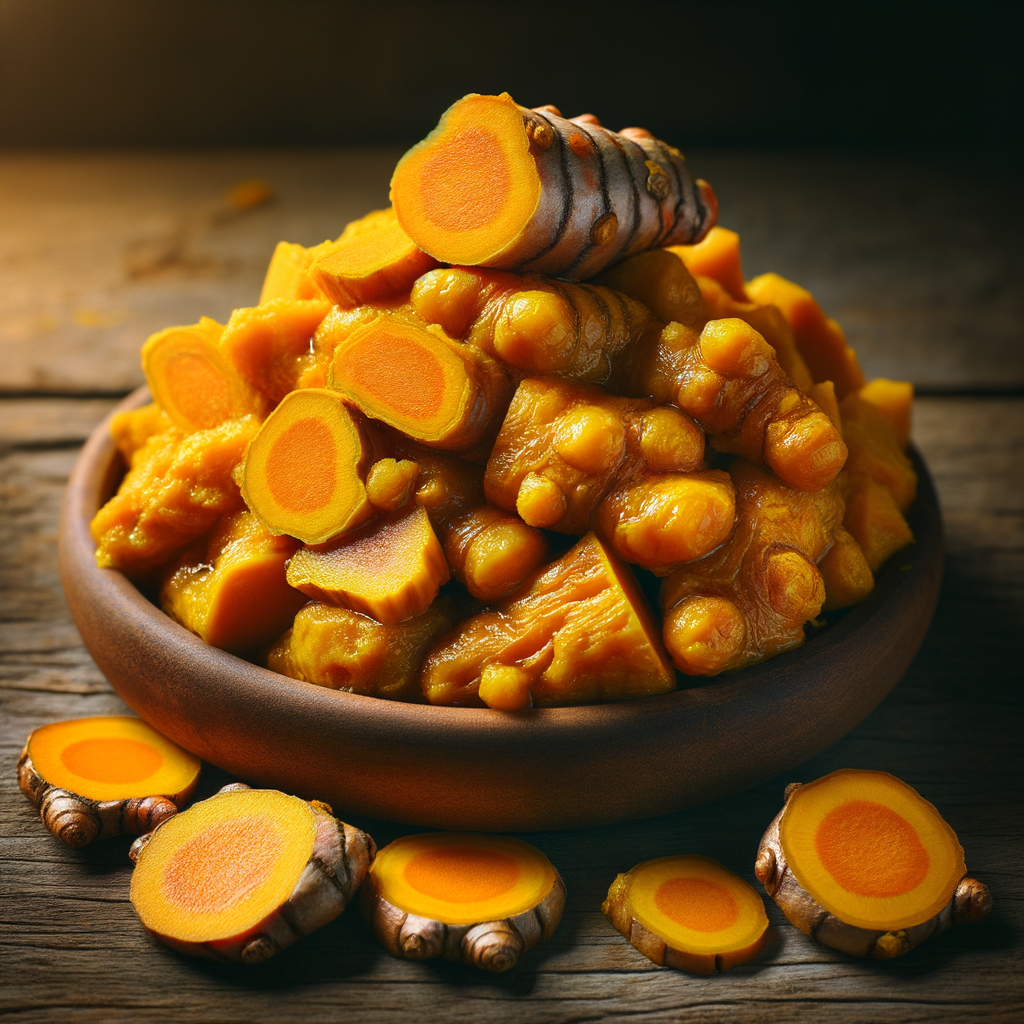
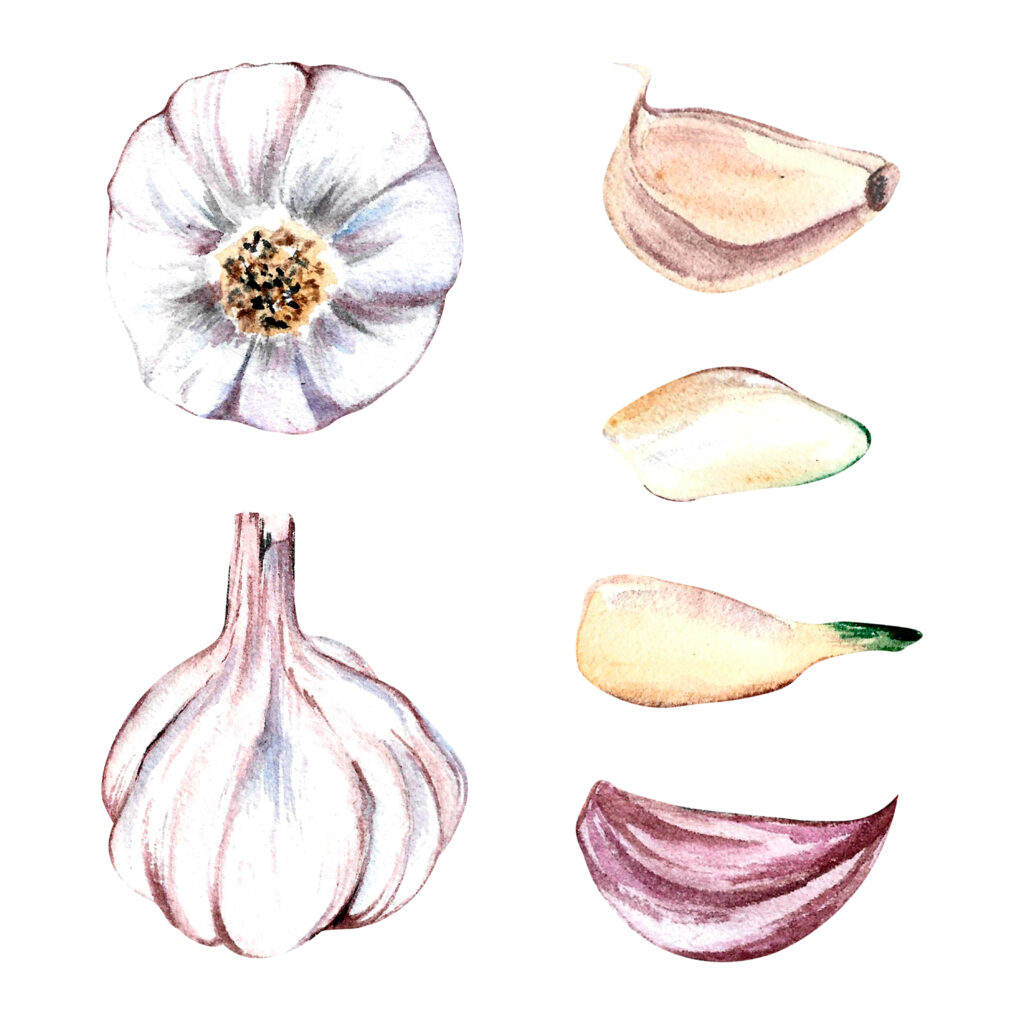
Apple Cider Vinegar, Tumeric, Ginger, Horseradish, Onions, Garlic, Oranges and Lemons (whole), hot pepper (cayenne is best), and any other herbs or other fruits, berries you like. I like to add the warming herbs such as cinnamon, cloves, and cardamon. At the end you add honey.
Apple cider vinegar is the foundation of Fire Cider, serving as a natural preservative and enhancing the flavor of the other ingredients. Its acidity helps to stimulate digestion and relieve symptoms of indigestion and bloating. Apple cider vinegar is also renowned for its anti-fungal and anti-microbial properties, making it an effective natural remedy for combating infections and promoting overall health. And, it does not destroy the beneficial microbiome.
Horseradish is a pungent and flavorful root that adds a bold kick to Fire Cider. Its active compound, allyl isothiocyanate, has natural antibacterial and anti fungal properties, making it effective against a range of microorganisms. Horseradish has been used for centuries to alleviate respiratory issues, such as colds and congestion, and is said to have anti-inflammatory properties that can help to reduce pain and discomfort.
Onion is a sweet and savory addition to Fire Cider, adding depth and complexity to the blend. Its high water content makes it an excellent natural expectorant, helping to relieve congestion and coughs. Onions also contain a range of antioxidants and flavonoids, which have been shown to have anti-inflammatory and antimicrobial properties.
Garlic is a potent and pungent ingredient that has been used for centuries for its medicinal properties. It contains a compound called allicin, which has natural antibacterial, antiviral, and anti fungal properties. Garlic has been shown to have a range of health benefits, including reducing blood pressure, cholesterol levels, and the risk of heart disease. In Fire Cider, garlic adds a strong flavor and helps to boost the immune system.
Ginger is a spicy and invigorating root that adds warmth and comfort to Fire Cider. Its active compound, gingerol, has natural anti-inflammatory properties that can help to relieve pain and discomfort. Ginger has been used for centuries to alleviate nausea and digestive issues, and is said to have antioxidant properties that can help to protect against cell damage.
Turmeric is a vibrant yellow spice that adds a rich and earthy flavor to Fire Cider. Its active compound, curcumin, has powerful anti-inflammatory and antioxidant properties that can help to reduce joint pain and inflammation. Turmeric has been used for centuries in traditional medicine to alleviate symptoms of arthritis and other inflammatory conditions.
Oranges are a sweet and juicy addition to Fire Cider, adding a burst of citrus flavor to the blend. They contain a range of vitamins and minerals, including vitamin C, which is essential for immune function. Oranges also contain flavonoids, which have been shown to have anti-inflammatory properties. The whole orange is used (skin and fruit)
Lemons or Limes (can use both) are a sour and citrusy addition to Fire Cider, adding a bright and uplifting flavor to the blend. They contain a range of vitamins and minerals, including vitamin C, which is essential for immune function. Lemons also contain flavonoids, which have been shown to have anti-inflammatory properties. Like oranges, the whole fruit is used.
Cinnamon is a warm and comforting spice that adds depth and warmth to Fire Cider. Its active compound, cinnamaldehyde, has natural antibacterial properties that can help to combat infections. Cinnamon has been used for centuries in traditional medicine to alleviate symptoms of digestive issues and respiratory problems.
Cloves are a pungent and aromatic spice that add a strong flavor to Fire Cider. Their active compound, eugenol, has natural antibacterial properties that can help to combat infections. Cloves have been used for centuries in traditional medicine to alleviate symptoms of toothache and gum pain, as well as digestive issues.
Honey is the sweet and soothing finishing touch to Fire Cider, added after the fermentation process has completed. Its antimicrobial properties help to seal the blend, preserving the beneficial compounds and flavors that have developed during fermentation. Honey’s viscosity also helps to bind the ingredients together, creating a smooth and consistent blend.
But honey’s benefits don’t stop at its physical properties. This golden nectar has been used for centuries for its medicinal properties, and is renowned for its ability to soothe and heal wounds, burns, and other skin irritations. Honey’s antibacterial and anti fungal properties make it an effective natural remedy for combating infections, while its antioxidants and enzymes help to promote tissue repair and reduce inflammation.
In Fire Cider, honey adds a touch of sweetness and helps to balance the bold flavors of the other ingredients. Its antimicrobial properties also help to extend the shelf life of the blend, ensuring that the beneficial compounds and flavors remain potent and effective. As a result, Fire Cider with honey is not only a delicious and flavorful tonic, but also a potent natural remedy that can help to soothe and heal the body from the inside out.
Fire Cider Fermenation
Apple Cider Vinegar (ACV) (enough to cover your materials once they are layered in your jar.
2 parts Horseradish root, chopped
1 part Onion, chopped
2 parts Garlic, minced
1 part Ginger, peeled and grated
1 part Turmeric root, chopped
2 parts Oranges (whole), sliced
1 part Lemons (whole), sliced
1/4 part Cinnamon stick, broken 1/4 part Cloves, whole or other herbs, berries.
These are general guidelines. Be creative! I like to add dandelion leaves, nettle, horsetail, rose hips, elderberries, tulis, oregano, rosemary. Have fun!
Begin by preparing your ingredients. Chop the Horseradish root, Onion, and Turmeric root into small pieces. Mince the Garlic and grate the Ginger. Slice the Oranges and Lemons into thin pieces. Break the Cinnamon stick into smaller pieces. Chopped lightly any herbs or fruits.
Next, layer the ingredients in a large glass jar or container, leaving about an inch of space at the top. Start by adding a layer of chopped Horseradish root, followed by a layer of Onion, then Garlic, Ginger, Turmeric, Oranges, Lemons and so on
Once all the ingredients are layered, pour Apple Cider Vinegar over the mixture until it’s completely covered. You may need to add a bit more ACV to ensure that everything is submerged. Hold the mixture down with a weight, such as a plate or a plastic bag filled with water.
Seal the jar or container with a lid or plastic wrap, and let it sit in a cool, dark place for 6-8 weeks. Visit daily and burp (lift the lid). Occasionally stir the mixture to ensure that everything is fermenting evenly. You may start to notice bubbles forming on the surface and a slight effervescence as the fermentation process takes hold.
After 6-8 weeks, taste the Fire Cider to determine if it’s ready. If it’s still too spicy or bitter, let it ferment for another week or two. Once it’s reached your desired level of flavor and potency, it’s time to add honey.
Adding Honey
Once the Fire Cider has fermented to your liking, it’s time to add honey. You can use any type of honey you like, but raw or Manuka honey is recommended for its medicinal properties. Stir in enough honey to sweeten the Fire Cider to your taste. The amount of honey you add will depend on your personal preference, but a good starting point is to add about 1-2 tablespoons of honey per 8 oz (250ml) of Fire Cider.
Filtering and Bottling
Line a fine-mesh strainer with cheesecloth or a coffee filter and place it over a large bowl or container. Pour the Fire Cider mixture into the strainer and let it drain for several hours or overnight. Discard the solids and transfer the liquid to clean glass bottles. Label the bottles with the date, ingredients, and any other relevant information. Store them in a cool, dark place for up to 6 months.
Inoculation
Set aside some of the Fire Cider mixture to use as an inoculant for your next batch. This will help ensure that your new batch ferments properly and retain its unique flavor and properties.
FIRE CIDER Blends
Here are a list of blends. Simple add the herbs and plants to your ferment.
Citrus Guard Zest Brew Vitamin C Cold and Flu Fire Cider
A tonic aimed at bolstering immune defenses, particularly beneficial during cold and flu season.
Parsley, Elderberry Rosehips
Gut Guardian Spice Tonic Microbiome Support Designed to improve gut health and balance, with a focus on
moderating Candida levels.
Pineapple, Cat’s Claw, Pau d’Arco, Oregano, Aloe Vera, Marshmallow Root, Slippery Elm, Papaya for digestive enzymes
Liver Vitality Tonic
Aimed at enhancing liver function and supporting detoxification .Dandelion, Chicory rootMilk Thistle: Chaga, Reishi, and Turkey Tail
Mushrooms: Offer strong antioxidant properties, support the immune system and liver
Root Revivor Kidney/Adrenal Adaptogen
A tonic to support kidney health and adrenal function, helping the body adapt to stress
Nettle, Horsetail, Cornsilk, Tulsi, Ashwagandha,
Sweet Balancer Blood Sugar Balancer
Cinnamon, Fenugreek, Licorice Root, Bitter Melon Formulated to assist in managing blood sugar levels, ideally alongside a healthy diet and lifestyle.
Dehydrating Plant Material
After you strain the Fire Cider, you are left with an incredible mixture of horseradish, ginger, turmeric, garlic, onion, citrus, spices and herbs.
Please do not automatically throw it away. Dehydrate the strained plant material at a low temperature until it is completely dry, then grind it into a powder. You now have a wonderfully complex seasoning that can be used in soups, sauces, marinades, vegetables, beans, dressings and savoury dishes.
I love this part because it means we have taken something that might normally have gone into the compost and found another use for it first. Eventually it can return to the soil, but there may still be another meal inside it before it gets there.
Fire Cider and the Human Microbiome
I still consider Fire Cider a probiotic supplement and use it that way, particularly because the foundation of my Fire Cider is our own naturally made apple cider vinegar.
For me, however, supporting the microbiome is much bigger than simply asking whether something contains a particular organism. The microbiome depends upon the entire environment we create for it, including the plants we eat, fibres, organic acids, fermented foods, mineral-rich foods and the enormous diversity of plant compounds entering the digestive system.
That diversity begins in the soil. A biologically active soil creates relationships around plant roots. Those relationships affect nutrient cycling and plant health. We eat the plants and bring their fibres, pigments, phytochemicals, minerals and other compounds into our own internal ecosystem.
The soil food web and the human microbiome are not identical systems, but I see a beautiful similarity between them. Both depend upon diversity, relationships, food, habitat and the conditions we create for life to flourish.
Fire Cider fits naturally into that philosophy.
How I Take Fire Cider
I usually take approximately 1 ounce, or around 30 ml, before a meal as a probiotic supplement, or I use smaller amounts depending on how strong the batch is. It can also be diluted in water if you find it too concentrated.
I also use Fire Cider as food because I think that is where these preparations truly belong. Add it to olive oil for salad dressing, splash it into broth or soup, use it in a marinade, mix it into a savoury vegetable drink or add it to sauces.
At Living Ground, Fire Cider has become part of our kitchen and our café as well.
That makes much more sense to me than separating herbs, food, microbes and health into completely different worlds.
From the Soil to the Bottle
When I look at Fire Cider today, I do not just see vinegar with herbs floating in it.
I see horseradish growing in our soil. I see turmeric and ginger pushing through the ground. I see citrus hanging from trees, herbs growing throughout the gardens and microorganisms transforming apples into vinegar.
I see the soil food web beneath all of it. Then those plants enter our kitchen, become part of our food and eventually meet another enormous living ecosystem inside us: the human microbiome.
That is what interests me about making Fire Cider now. It is not really about finding a miracle ingredient. It is about returning to the knowledge that health begins within living systems and relationships. Healthy soil, diverse plants, microbial transformation, real food and the human microbiome are all connected.
And sometimes you can put a surprising amount of that story into one very fiery jar. Enjoy your homemade Fire Cider!


