
 Leisha
 Magnesium is a funny mineral. It does not get the attention that calcium gets, and it certainly is not as glamorous as some of the supplements that come and go in popularity, yet quietly behind the scenes magnesium is involved in an extraordinary amount of what keeps us alive and functioning.
Depending on how the biochemical reactions are counted, magnesium participates in hundreds of enzyme reactions in the body, with current estimates often putting that number above 600. It is involved in energy production, protein synthesis, DNA and RNA, nerve signaling, muscular function and the movement of minerals across cell membranes. Even ATP, the energy currency of our cells, normally does its work bound to magnesium.
When we call magnesium an electrolyte, we are talking about something much bigger than those little packets people add to water after exercise. Magnesium exists in the body as the positively charged ion Mg²⁺, working alongside potassium, sodium, calcium and other minerals to create the electrical environment in which nerves fire, muscles contract and relax, cells communicate and membranes maintain their balance.
I love the plant connection here because magnesium tells the same story in the garden. Magnesium sits right at the center of the chlorophyll molecule. When you look at the green of a leaf, magnesium is sitting at the heart of the machinery that allows that plant to capture sunlight and transform it into biological energy.
There is something beautiful about that connection. Magnesium helps a plant work with light, and inside us it becomes deeply involved with cellular energy. Soil, plant, food, microbes and body are all part of the same conversation.
“The green of a leaf and the energy inside our cells are not separate stories. Magnesium is part of both.”
Leafy green vegetables are naturally rich in magnesium, along with seeds, nuts, legumes and whole grains. This is also where I think nutrition becomes much more interesting than simply swallowing isolated minerals. It begins with living soil, plants capable of taking up those minerals, food prepared in ways that preserve nourishment, and an intestinal ecosystem capable of participating in digestion and assimilation.
If the soil biology is poor, the plant is affected. If the plant is poorly nourished, we are affected. Then that food arrives in our digestive system, where another enormous microbial ecosystem takes over the next part of the story. We really are walking ecosystems fed by other ecosystems.
Magnesium and the Electrical Body
Magnesium has earned the nickname “the relaxation mineral,” and I think the name fits it perfectly. Muscle contraction and relaxation depend upon a carefully coordinated relationship between magnesium and calcium, while magnesium is also deeply involved in normal nerve and neuro-muscular function.
A body that feels tight, twitchy, crampy, restless or unable to settle may make me think about magnesium. Of course, magnesium is never working alone, because minerals work together, but it is certainly an important piece of that electrical and muscular conversation.
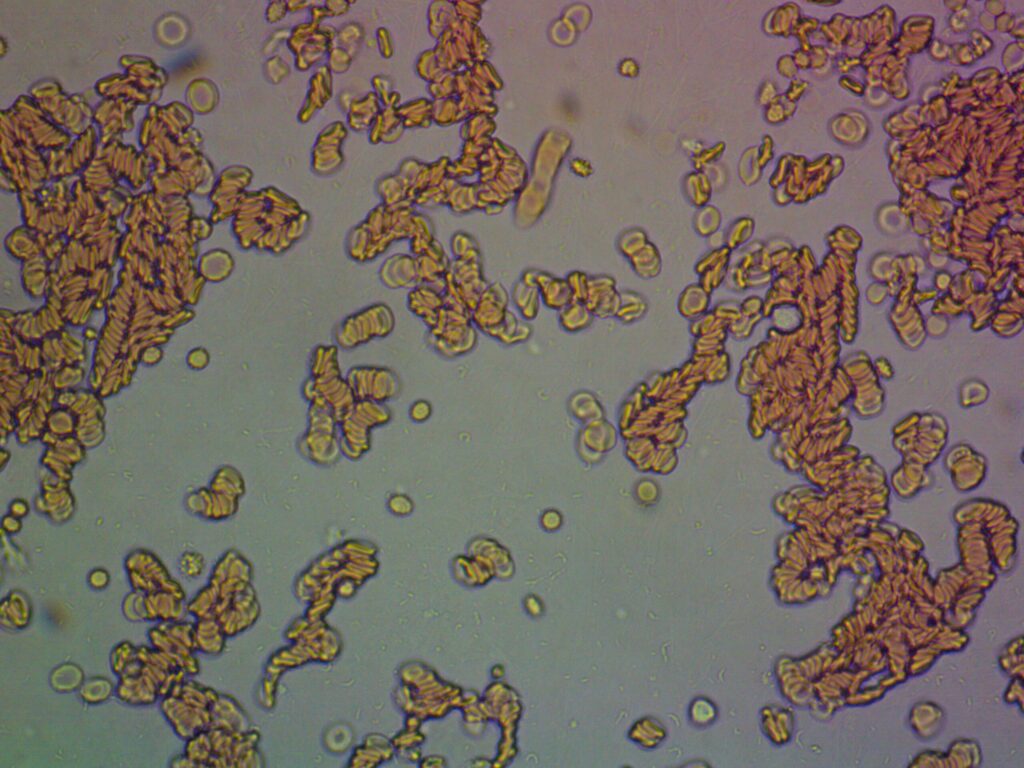
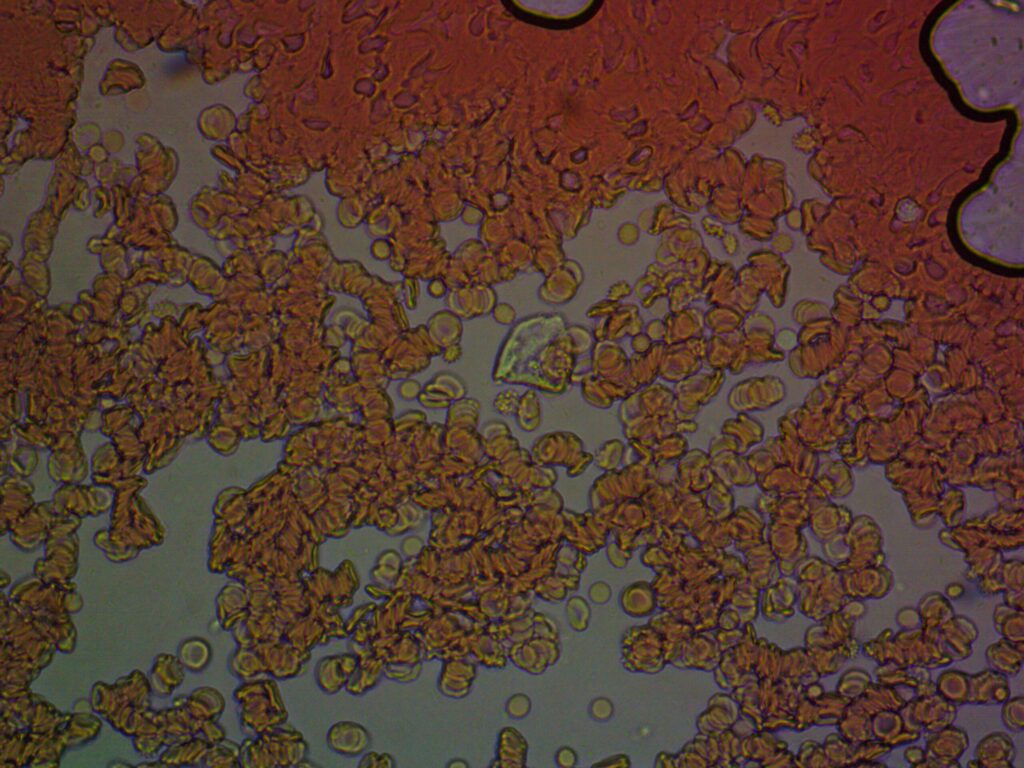
Because I work with live blood, magnesium becomes especially interesting to me when I look at the terrain under the microscope. There is no single marker that tells the whole story, but certain patterns can make me think more closely about hydration, electrolytes and mineral balance.
For example, sometimes the red blood cells begin sticking or stacking together instead of moving freely. Other times I may see changes in the size or shape of the cells, or crystal-like material in the plasma. These findings can have many causes, but when they appear together with muscle tension, cramps, fatigue, poor sleep or restless legs, magnesium becomes part of the conversation.
What interests me is the pattern, not one isolated finding. Magnesium plays an important role in muscle relaxation, nerve communication, cellular energy and the movement of minerals and fluids across cell membranes. So when the blood looks sluggish or the cells appear stressed, I begin asking questions about hydration, digestion, mineral intake and how well the body is actually using those minerals.
That brings me to the way I personally like to use magnesium. I prefer magnesium chloride externally on the skin, and I use it this way every day. For me, the response is quick and very noticeable, especially when I apply it directly to an area that is tight, tired or holding tension. I can massage it into my shoulders after a long day, rub it into my legs and feet, use it on my lower back, or apply it wherever my body seems to be asking for it.
This is one of the things I love about using magnesium externally. I am not simply taking a capsule and hoping it reaches the place where I need it. I can actually work with the body, massage the area and make the application part of the process.
Because magnesium is intimately involved in normal muscle relaxation and nerve function, applying magnesium chloride while massaging an area of tension has become a very practical part of my own daily routine. It is simple, it feels good, and I can decide exactly where I want to use it.
I often call magnesium the relaxation mineral because that describes so much of what I experience with it. Tight muscles soften, tired legs settle, and there is something wonderfully simple about rubbing magnesium into the body before bed. I particularly enjoy using it on my feet and legs in the evening.
External use also means I can enjoy magnesium without continually sending concentrated magnesium through my digestive system. That distinction matters to me because oral magnesium is very commonly being used for another reason altogether. It makes the bowels move.
Many people take magnesium every night and discover that if they miss it, they become constipated. That is not surprising because certain forms of oral magnesium hold water in the intestine, which softens the stool and encourages bowel movements. Yes, magnesium can help you go to the bathroom. The question I like to ask is whether that means the digestive terrain itself is functioning better.
If somebody tells me, “I cannot stop my magnesium because if I don’t take it I cannot go,” I become curious. Why is the bowel not moving comfortably on its own? What is happening with hydration, mineral balance, fiber, movement, nervous system tone, food and, very importantly, the microbial ecosystem of the intestine?
Magnesium and the Microbiome
This is where the microbiome becomes part of the magnesium conversation. Our intestinal microbes are incredibly active. They are fermenting fibers, breaking down plant compounds, producing metabolites, interacting with the intestinal lining and helping create the environment in which digestion takes place. I want those organisms busy, fed and participating.
I sometimes describe what I see with regular internal magnesium use as the digestive system becoming a little too accustomed to outside help. It is not that the microbes themselves simply “relax” like a muscle. The intestinal environment is being changed every day, water is being drawn into the bowel and the stool is being moved along with that assistance.
Then the magnesium stops and suddenly the person feels constipated. For someone who has been using oral magnesium every day specifically to produce a bowel movement, I prefer a gradual approach if they want to reduce it. I would not suddenly remove something the digestive system has been relying on and then wonder why everything slows down.
This becomes an opportunity to work with the terrain. Hydration matters. Mineral-rich foods matter. Plant fiber matters. Movement matters. Fermented foods matter. Feeding the microbial community matters. The nervous system matters too, because digestion is not separate from the way the rest of the body is functioning.
The intestine is an ecosystem, not a drainpipe that simply needs to be emptied every morning. That distinction is important to me. A daily bowel movement is useful, of course, but I am interested in why the body is moving properly, not only whether something has forced it to move.
This is very similar to how I look at soil. If a plant is struggling, I do not want to keep pushing the plant without asking what is happening underground. I want to know about the soil structure, moisture, minerals, organic matter and, especially, the microbial community around the roots.
The human digestive system deserves the same curiosity. We carry this extraordinary microbial soil within us, and the conditions we create determine how well that community can function. Food feeds microbes. Microbes transform food. Those transformations affect the intestinal environment, and that environment influences the rest of us.
For me, that is another reason I like keeping magnesium chloride primarily as an external tool. I can use it generously on my body, massage it into areas of tension and make it part of my evening routine while continuing to work with food, minerals, microbes and digestive function from the inside.
Our magnesium chloride oil at Living Ground is fully saturated. We do not take a strong magnesium chloride solution and water it down to make more bottles. It is a concentrated preparation, with just a little peppermint added for a fresh, cooling feeling on the skin.
I use a small amount and massage it into the area I want to work with. Shoulders, neck, lower back, legs and feet are some of my favourite places, and it is especially lovely as part of an evening routine.
Because it is concentrated, you may feel a little tingling on the skin, particularly when you are new to using it. I would begin with a small amount and see how your skin responds. Avoid freshly shaved or irritated skin because concentrated magnesium chloride can certainly let you know it is there!
You can leave it on the skin, or rinse it off later if you do not enjoy the slightly salty feeling once it dries. I find that combining it with massage makes the whole experience much nicer because then magnesium becomes part of slowing down, touching the body and paying attention to where tension is being held.
None of this means that magnesium taken internally is always a bad idea. Magnesium is an essential nutrient, and there are situations where supplementation may be useful. My point is that we have somehow turned magnesium into something many people automatically swallow every night without asking what they are actually trying to accomplish.
If the intention is to nourish magnesium status, I want to look first at food, mineral-rich plants and the whole terrain. If the intention is to deal with chronic constipation, I want to understand why the bowel needs daily assistance. If the intention is relaxation, tight muscles or an area of tension, that is where I personally reach for my magnesium chloride oil.
Magnesium is much bigger than a supplement for cramps or constipation. It is woven into energy production, electrical balance, enzymes, muscles, nerves, plants, chlorophyll and the chemistry of life itself.
I think that may be what fascinates me about this mineral. The magnesium sitting at the centre of a green leaf is part of a chain that begins in soil, moves through plants and microbes, becomes food and then participates in the electrical and energetic chemistry of our own bodies.
Perhaps magnesium is not only the relaxation mineral. It is another reminder that our health does not begin with a bottle on a shelf. It begins in living systems, and we are one of them.


