
 Leisha
 I am now offering Dried Blood Analysis at Living Ground. After completing my new teaching manual, I felt inspired to bring this work forward and begin offering consultations by appointment.
I have never really promoted my blood analysis work. I have simply allowed the energy around it to happen. People became curious, someone told someone else, clients arrived, questions were asked, and the work continued to grow naturally. I figure I have seen over 2000 clients in the past decade or so. Enough that I learned a lot. Working with clients is the most powerful way to learn and it reshaped my view on how the body works. This was mostly Live Blood Analysis.
I also offer dried blood, but I rarely spoke about it as a separate offering. It was there, quietly sitting beside the live blood work, waiting for a little more attention. That attention has now arrived.
I Disappeared Into Dried Blood
I recently completed my new manual, Dried Blood Analysis: A Practical Guide to Reading Blood Patterns and Terrain. This is also available on Amazon. I wrote it for teaching purposes and for the course I am developing, but the process did something else as well. It completely invigorated my own interest in dried blood.
Writing the manual meant going through years of observations, microscope images, notes, patterns, research, and all the strange little details that can appear when a drop of blood dries. I found myself absorbed in it again, comparing images and looking more closely at the relationships between the different patterns.
I asked myself why wasn’t I actively promoting this tool to see the inner workings of the body. It gives such great information for our understanding. It reminded me how much dried blood can show us and how beautifully it complements live blood. I realized that I did not need to keep it quietly in the background anymore. I wanted to bring it forward, talk about it, and offer people the choice to explore their blood from this very different perspective.
Live Blood and Dried Blood: What Is the Difference?
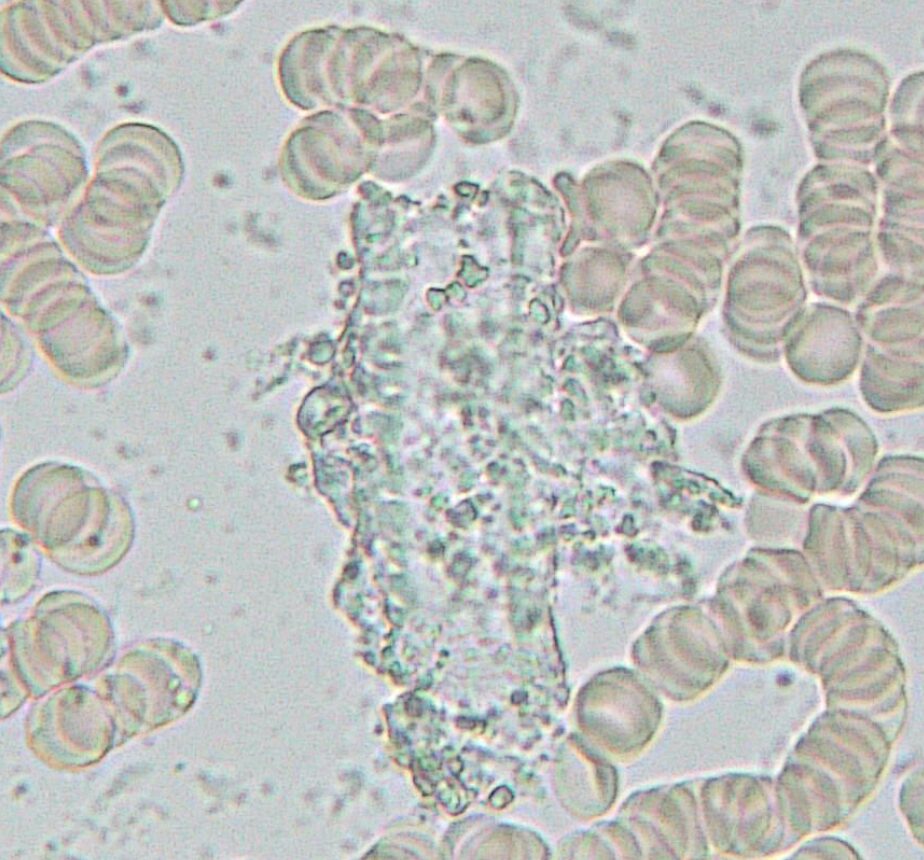
Live Blood Analysis looks at a fresh drop of blood while the cells are still living and moving. You can sit beside me and see your own blood on the screen as we observe the red blood cells, plasma, immune cells, and the way the cells interact with one another. It gives us a picture of what is happening in the terrain at that moment, including hydration, digestion, circulation, nutritional patterns, mineral relationships, cellular stress, immune activity, and the general condition of the internal environment.
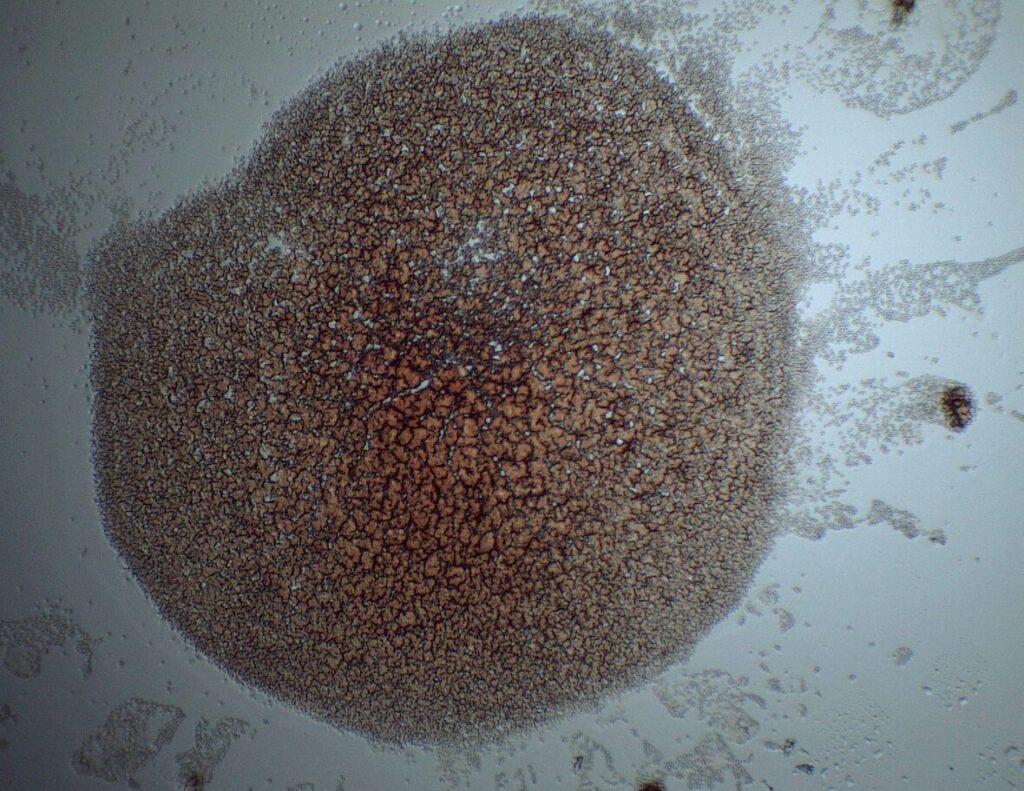
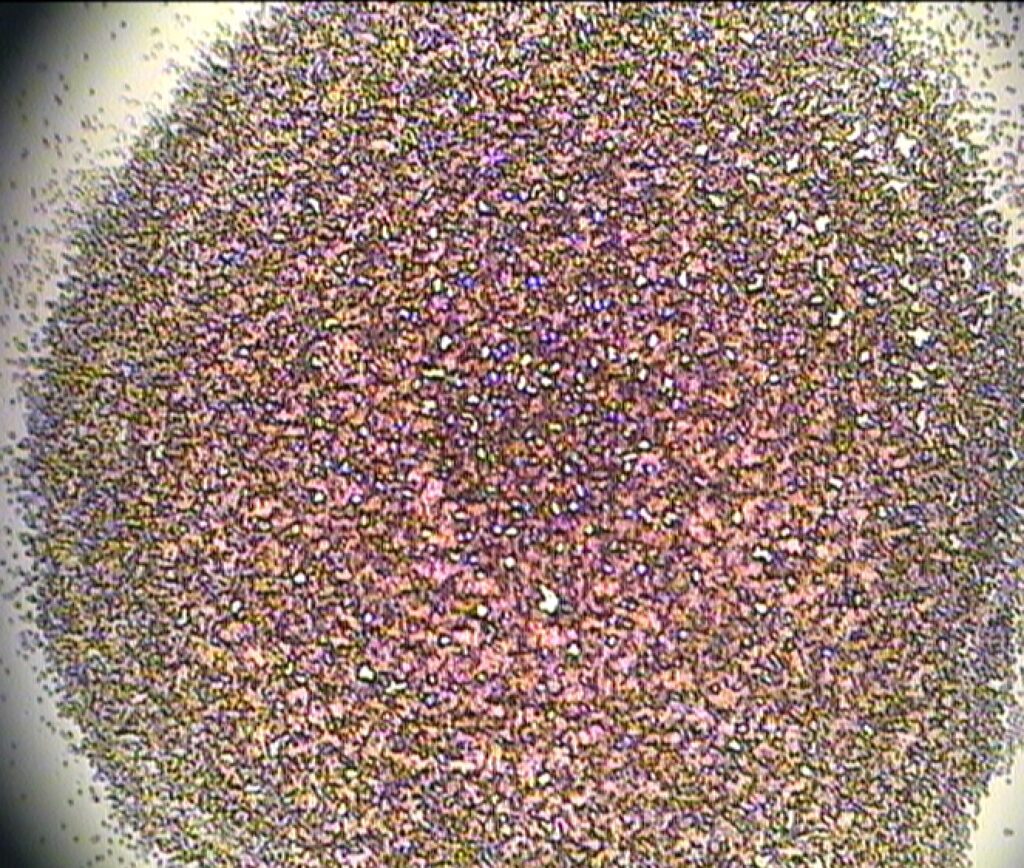
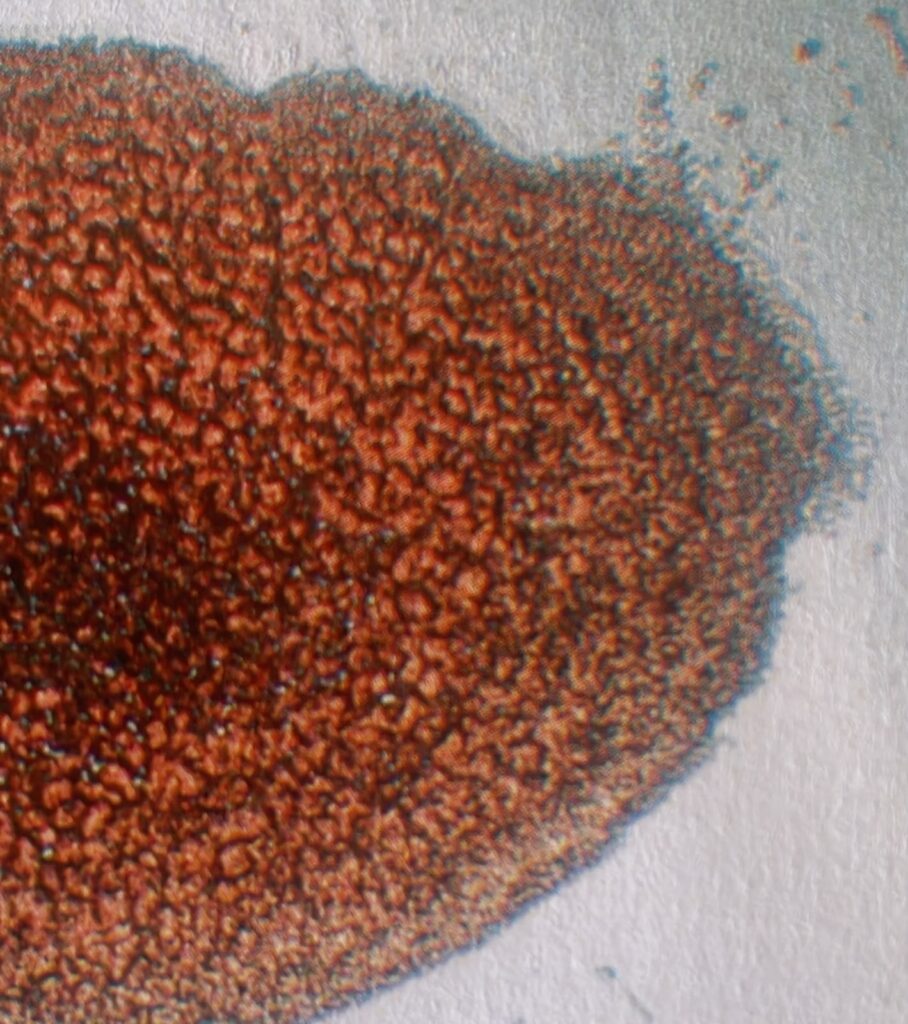
Dried Blood Analysis begins with several small drops of blood that are placed onto a slide and allowed to dry naturally. As the blood contracts, it forms patterns that cannot be seen in living blood, including fissures, pools, spokes, circles, waves, white areas, dark deposits, textures, and changes across the different drops. These patterns can help us explore deeper or longer-standing stresses involving circulation, digestion, liver and gallbladder pathways, kidneys, connective tissues, hormones, lymphatic movement, immune stress, and the way the body may be managing waste and repair.
Live blood shows movement, behavior, and what is happening in the present terrain. Dried blood shows the patterns left behind as the blood dries and gives more clues to future health. Together, they offer two very different views of the same internal landscape. Neither is used to diagnose disease. The purpose is to observe the terrain, ask better questions, and understand more clearly what the body may be working through.
They are different views of the same person. One is not better than the other, and they are not meant to compete. Each offers information that the other cannot provide.
I often think of it like walking through the garden and then examining the soil beneath it. The garden shows us what is growing, how the plants look, where growth is strong, and where something may be struggling. The soil reveals another layer involving structure, moisture, minerals, organic matter, microbial relationships, and the conditions supporting everything above it. The visible growth and the living soil belong to the same system. Live and dried blood work in a similar way. They allow us to observe the internal terrain from two different places and possible time frames.
My Work Is Rooted in Terrain Theory
My work has always been rooted in terrain theory. I am less interested in chasing a symptom and far more interested in understanding the environment in which that symptom developed. The terrain is the internal landscape of the body. It includes the blood, the lymph, the digestive system, minerals, hydration, oxygen, hormones, nutrition, waste removal, stress, and the immense microbial communities living with us.
The human body is not separate from the microbial world. We are built in partnership with microbes, just as healthy plants are built through their relationship with the living soil. Our gut microbiome, oral microbiome, skin microbiome, and the microbes throughout the body help shape digestion, immune communication, vitamin production, mineral use, and the strength of the whole internal ecosystem.
I approach the human body with the same curiosity. Symptoms matter, but they are part of a bigger story and often they are present because the body is speaking and doing its’ best to balance and create health. Blood analysis gives us a way to look at that story and begin exploring the conditions beneath what a person is feeling.
Why Am I Offering Dried Blood Analysis Now?
I actually have always offered this technique but I have not promoted it. Writing the manual brought the excitement back to the surface. I had been doing the work, but I had not been talking about it or giving it its own space.
Completing the manual made me want to share dried blood more openly. I am excited. I began seeing fresh possibilities in the patterns and became excited about integrating it more fully into my consultations.
There was no grand marketing plan behind Live Blood Analysis, and there is no grand marketing plan behind this either. I am simply following the energy again. Right now, that energy is pulling me strongly toward dried blood, teaching, observation, and helping people understand their terrain from another angle. It is just another great tool to use to understand what is going on inside.
Live Blood Analysis is a wonderful choice for anyone curious about seeing their living blood and learning what the cells and plasma may reveal in real time. It is visual, immediate, educational, and often quite exciting to watch. Dried Blood Analysis is suited to people who want to explore the deeper patterns that form as blood dries. It gives us a different view and allows us to examine structures and relationships that cannot be seen in the living sample.
The combined analysis gives us the fullest picture because we can compare the living blood with the dried blood from the same person. I can observe what the cells are doing while alive and then study the patterns left behind as the blood dries. The two views frequently connect in interesting and unexpected ways.
Consultation Prices
Live Blood Analysis is $50.
Dried Blood Analysis is $50.
A Combined Live and Dried Blood Analysis is $75.
During the live blood consultation, you will see your own blood and learn what I am observing. We will talk about your current health, patterns within your terrain, and practical ways you may be able to support the internal environment of your body. Dried blood the sample needs to dry first, but we can take a peak.
This is a chance to become curious, look closely, ask questions, and see your body through a lens that few people ever have the opportunity to experience.
I am excited to bring Dried Blood Analysis forward and give it the attention it deserves. It has been part of my work for a long time, but now the energy is here to share it more fully.


