
 Leisha
 Aloe vera, celebrated as the “plant of immortality,” is a remarkable succulent renowned for its extraordinary healing properties and its robust ability to survive in tough conditions. Thriving in arid, nutrient-deficient soils, Aloe vera has captured the fascination of many cultures throughout history with its rejuvenating and therapeutic potential.
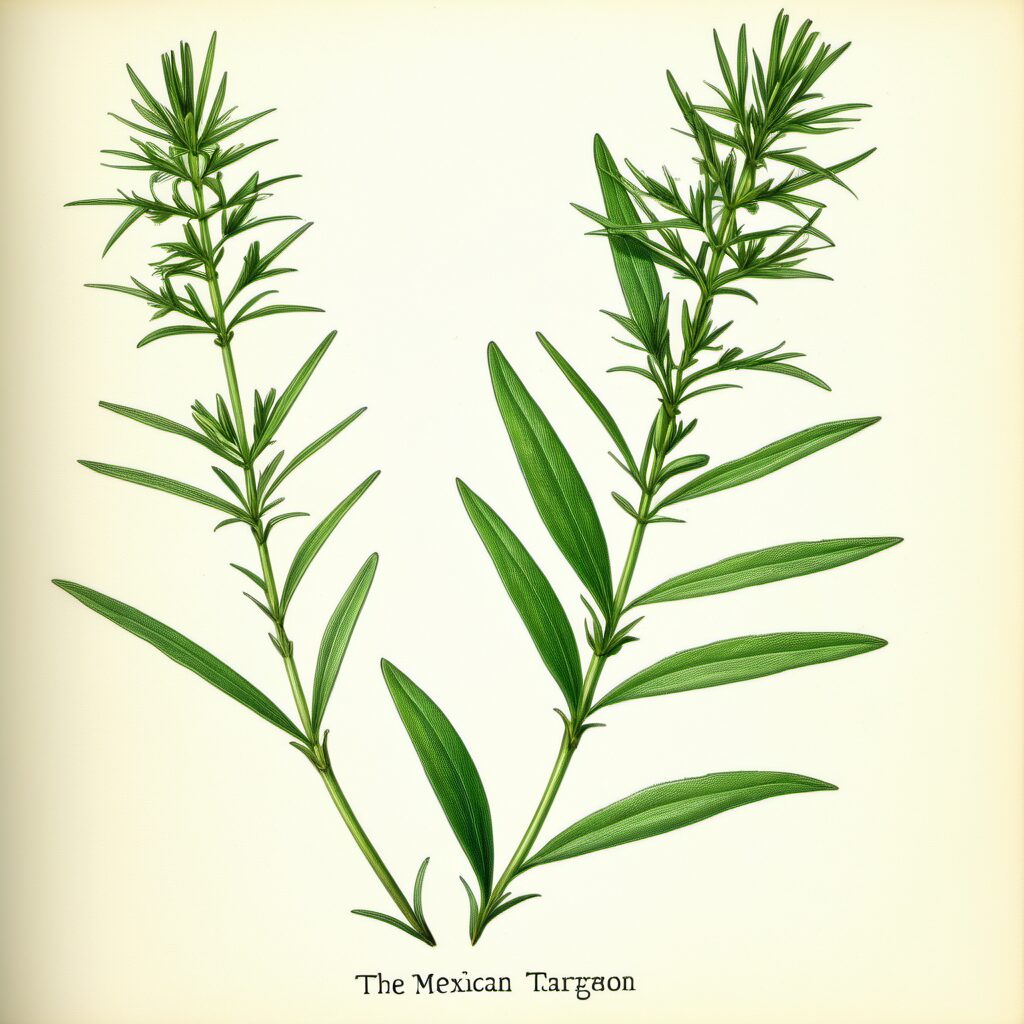


The Resilient Nature of Aloe Vera
Resting in dry, sandy environments, Aloe vera plants showcase an impressive capacity to gather and retain nutrients and moisture, demonstrating remarkable resilience. With their thick, fleshy leaves, these succulents are designed to store substantial amounts of water, enabling them to endure prolonged droughts and harsh conditions.
Favored for centuries, Aloe vera’s ability to thrive serves as a metaphor for strength and adaptability, teaching us to persevere and flourish despite life’s challenges. Its natural sturdiness is emblematic of its capacity to both survive adversity and continue to give generously.
Journey Through Time and Cultures
Historically revered from ancient Egypt to contemporary skincare practices, Aloe vera’s medicinal uses have been documented in numerous cultures. Often employed to soothe burns, aid digestion, and treat skin irritations, the lush gel extracted from its leaves has become a universal remedy. Aloe vera’s reputation as a natural healer extends to its role in promoting skin regeneration and maintaining youthful vitality.
The plant’s resilient spirit resonates deeply with those who cultivate it, whether nestled in pots during Canadian winters or sprawling across lush Ecuadorian gardens. Its enchanting blossoms and distinctive fragrance—sharp, earthy, and medicinal—only add to its mystique.
Personal Discoveries and Experiments
Aloe vera’s resilience not only stands the test of environmental conditions but also lends itself to personal explorations and discoveries. Attempting to test its limits, Aloe vera has demonstrated an astounding ability to endure, even when neglected in less than ideal conditions. Such experiences reinforce its enduring allure and adaptability.
Its unique scent, while divisive, is a testament to its singular presence—a blend of earthy notes with a medicinal punch that intrigues and challenges the senses. This aroma encapsulates the plant’s timeless allure and offers a sensory connection to its healing history.
Healing Properties and Modern Uses
Beyond its historical fame, Aloe vera remains a cornerstone in modern holistic health practices. Laden with beneficial compounds, including vitamins, enzymes, and minerals, it harbors a wide array of health benefits. Aloe’s soothing gel hydrates the skin, aids in digestion, and supports immune function, illustrating its comprehensive utility.
Aloe’s cooling properties make it a preferred choice for alleviating sunburn and promoting skin health. Its internal use assists in digestive support, demonstrating aloe’s versatility as an ally for both external and internal wellness.
Cultivation and Propagation
Growing Aloe vera is accessible and rewarding, often starting from mature plants’ offsets or “pups.” This succulent thrives in well-draining soils and requires minimal water, mimicking its natural habitat. As it roots, this resilient plant flourishes, continuing the cycle of healing and resilience.
Aloe vera is more than just a plant; it is a symbol of endurance and healing in the natural world. Its long-standing relationship with humanity speaks to its role as a trusted ally in health and wellness. Whether calming sunburns, easing digestive woes, or simply standing as a testament to nature’s resilience, Aloe vera invites us to embrace the lessons it offers in strength and renewal.
Aloe Vera Recipes
Aloe Vera Cooling Tonic
- Ingredients:
- 1 cup fresh aloe vera gel
- 1 peeled cucumber
- 1 inch fresh ginger root (peeled)
- Juice of 1 lemon
- Handful of fresh mint leaves
- Instructions:
- Blend all ingredients until smooth.
- Pour into a glass jar and refrigerate.
- Drink 1/4 cup before meals to support digestion and soothe the digestive system.
Aloe Vera & Cucumber Soothing Skin Tonic
- Ingredients:
- 1/2 cup fresh aloe vera gel
- 1/2 cucumber, peeled and diced
- 1 tbsp rose water
- 1 tsp vitamin E oil
- 1-2 drops lavender essential oil (optional)
- Instructions:
- Blend aloe vera gel, cucumber, rose water, vitamin E oil, and lavender oil until smooth.
- Strain to remove pulp.
- Pour over ice cubes and apply to skin with a cotton pad for a refreshing experience.
Aloe Vera Fermented Flower Tonic
- Ingredients:
- Aloe vera flowers
- 1 cup water
- 2 tbsp honey
- 1 tbsp lemon juice
- Instructions:
- Harvest aloe vera flowers and gently rinse them.
- Place flowers in a glass jar with water, honey, and lemon juice.
- Cover with a breathable cloth and let sit at room temperature for 3-4 days to ferment.
- Strain and refrigerate the tonic. Consume in small amounts or add to salad dressings for a unique, tangy flavor.
With these recipes, Aloe vera continues to showcase its versatility and offers a range of refreshing and nourishing options to incorporate its benefits into daily life.

COMING SOON, “THE SECRET GARDEN” HERB BOOK, 55 PLANTS THAT GROW ANYWHERE IN THE WORLD AND THEIR GIFTS TO HUMANS.


